

How We Are Dealing With Coronavirus
Whilst the Pandemic caused by Covid-19 has continued to alter the lives of many throughout the country and the world, we have been doing everything we can to continue providing vital support to our clients at a time when many of them need this the most.
The health and safety of all our staff and clients is of the utmost importance to us and we have encouraged staff who feel like they’re suffering from symptoms to follow Government guidelines and self-isolate. Or indeed if someone they live or have been in contact with shows symptoms such as a persistent cough or temperature, we’re also telling them to self-isolate.
We’re continuing to visit our clients where we can. When visiting clients, we have a set of guidelines which our staff follow. These measures include:
- All staff have and are using Personal Protective Equipment as they normally would be as well as gloves, aprons and hand gels.
- All staff have been issued with soap and paper towels and are being asked to observe good hand hygiene principles, i.e. washing hands frequently but as a minimum on arrival at a client’s home and on departure and as often as required in between, as they normally would.
- We’re following general advice regarding wearing face masks which is that if the care worker or the client does not have any symptoms of Coronavirus , then face masks do not have to be worn.
- All staff already receive training in using Personal Protective Equipment and good hand hygiene.
We have adequate supplies of Personal Protective Equipment, and are working with the NHS supply chain to ensure we have supplies in stock. We’re also asking all clients to inform us if they or someone they have been in contact with or they live with presents with the symptoms.
Although this is an extremely tough time for everyone, and the circumstances are unpresented, we’re doing everything we can to continue to support our clients with the levels of care they need, and the latest guidance from Public Health England is cascaded to all staff, as it comes through.
If you have any questions about how we’re dealing with Coronavirus, or just want to talk to someone then we’re always happy to help – give our friendly team a call on 01892 863 710.
Other articles you may like
- 5 ways carers can help clients enjoy autumn in Kent
 Autumn has plenty to offer. The changing colours, crisp mornings, seasonal food, and familiar traditions can make it a lovely time of year to get out and about. It also feels like a season to try something different or simply enjoy the things we already love.
 - Does home care mean losing independence?
 Growing older often brings new challenges. For many people, one of the biggest worries is the fear of losing independence.
 - Handling heatwaves: how can we protect our residents in the sun?
 Every July, Samaritans run the ‘Talk to Us’ campaign. And every year, this initiative aims to encourage people to share their feelings. Talking through emotions, no matter how big or small, is so important for our wellbeing. For the people in our care, we know how meaningful this movement is.
 - Talk to Us campaign: how can we support each other?
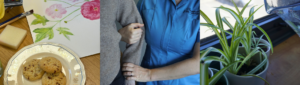 Every July, Samaritans run the ‘Talk to Us’ campaign. And every year, this initiative aims to encourage people to share their feelings. Talking through emotions, no matter how big or small, is so important for our wellbeing. For the people in our care, we know how meaningful this movement is.
 - Finding joy in the little things
 Sometimes, it’s the little things that matter most. And these small bursts of happiness have a real impact on our wellbeing. Research has shown that mindfulness and recognising the little things can help to reduce anxiety and stress, and it has become increasingly popular in recent years as a way of supporting mental health. This gratitude can also help create familiarity by introducing daily rituals and offering small moments of connection. If you’re wanting to find more joy in the little things, where should you start? We like to think about it in terms of routines and rituals:
 - Functional health exercises to try at home
 As our loved ones grow older, maintaining their independence and quality of life becomes increasingly important. One of the ways to support this is with functional health and the ability to perform daily tasks safely and effectively.
 - National Pet Month: how can we support your pets?
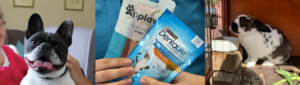 Happy Pet Month! This is a time for celebrating our furry friends, especially the joy and companionship they can bring to our lives. It’s also a month for raising awareness of responsible pet ownership, and how we can care for pets whilst caring for ourselves. Sometimes, looking after a pet can be more challenging, and it might be that you need some extra support. So for this month, and every month, we want to highlight the benefits of pets for people who may need care, and how we can help both you and your pet make the most out of each other’s company.
 - Spring cooking: meals for the warmer seasons
 Spring is officially here, and we couldn’t be happier to see the sun coming out! These brighter days often signify fresh starts and new beginnings. For example, many people see spring as a chance to refresh the home and get started with spring cleaning. But what about spring cooking? This is a style of cooking that celebrates the amazing fruits and vegetables coming into season. It’s also a way of adjusting your eating habits, moving away from winter warmers and preparing lighter meals. So, what should you start preparing? Here’s our top tips for eating with the season in mind.
 - Rainy day activities: bringing the fun indoors!
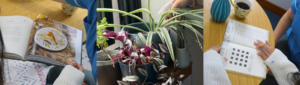 2026 has got off to quite a rainy start! It’s been reported for being particularly wet and gloomy, and there’s a long history behind the UK’s (rainy) weather. Sometimes, when it rains this hard, we have a ‘lazy day’. We choose to stay inside, have more lie ins, and wrap up under a blanket. This can be a great way to recharge your batteries and get some much-needed rest. But what if it’s always raining? Long stretches of wet weather can cause low mood, reduced motivation, and a sense of isolation, especially when social gatherings start to get cancelled. To combat this, here’s some rainy-day activities designed to lift the mood and help make our days more fun: