

5 ways carers can help clients enjoy autumn in Kent
Autumn has plenty to offer. The changing colours, crisp mornings, seasonal food, and familiar traditions can make it a lovely time of year to get out and about. It also feels like a season to try something different or simply enjoy the things we already love.
For someone receiving home care, enjoying the season doesn’t necessarily mean filling the diary with activities. Sometimes, a little encouragement, companionship, or practical support can make it easier to take part in something meaningful.
Here are five ways carers can help clients make the most of autumn in Kent.
1. Make the most of the autumn outdoors
Cooler weather doesn’t mean we have to stay indoors. A gentle walk through a local park, sitting in the garden with a cup of tea, tending to some plants, or simply watching the leaves change can all be enjoyable ways to spend time outside.
Being in nature can support wellbeing and provide plenty to notice, from birdsong and wildlife to changing leaves and familiar garden scents. Alzheimer’s Society recommends activities such as walking, visiting parks and gardening, while emphasising that activities should be adapted to the individual’s abilities and interests.
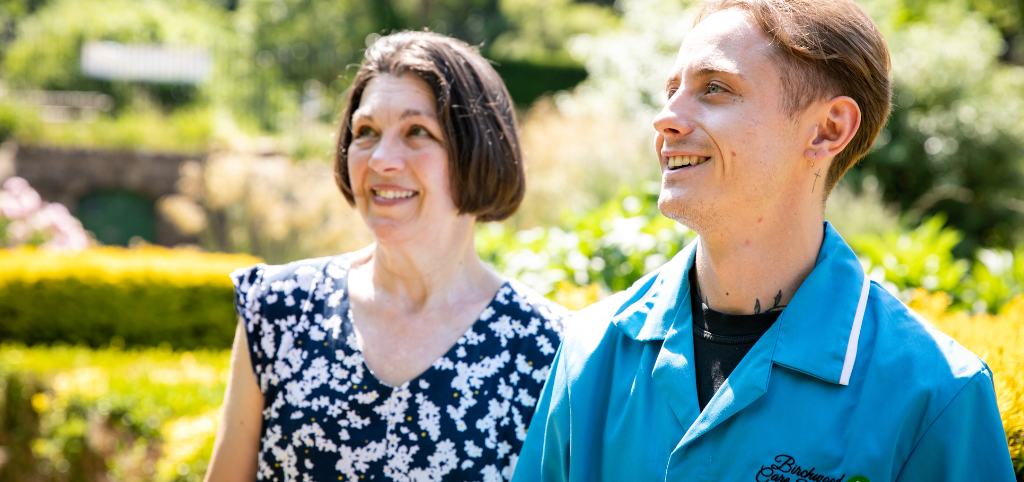
Our carers can help make outdoor time feel more accessible by accompanying a client, helping them prepare, choosing a suitable route, or planning somewhere to stop and rest if needed.
It doesn’t have to be a long walk, either. Sometimes it’s simply about getting outside and enjoying the season, or even just sitting in the garden.
2. Discover seasonal activities in the local community
On a similar note, home care doesn’t have to mean staying at home either. Autumn can be a great opportunity to explore what’s happening locally, whether that’s a community lunch, garden visit, market, library event, craft group, or a trip to a favourite café.
There are social groups and activities for older people across Kent, from coffee mornings and friendship groups to arts and crafts, quizzes, and outings. Age UK notes that social activities can help people maintain connections and revisit hobbies they enjoy.
For some people, the biggest barrier is getting there or having the confidence to go. A carer can provide companionship, and also practical support or encouragement. This can help an outing feel much more manageable and also give families peace of mind.
There are lots of local guides for inspiration:
3. Bring the season home through food and activities
A favourite autumn recipe, a warming soup, some seasonal baking, or an afternoon spent doing crafts can all turn an ordinary day into something to look forward to. Gardening, flower arranging, pressing leaves, or listening to favourite music can work just as well.
A carer’s role doesn’t have to be doing everything for the client. Someone might choose the ingredients, stir the mixture, give instructions, taste the finished dish, or simply enjoy chatting while something cooks.
Alzheimer’s Society recommends adapting cooking activities so that people can remain involved in ways that suit their abilities. Food can also be closely connected with identity, memories, and familiar smells.
4. Keep favourite traditions and connections going
Sometimes the best autumn activity is something familiar that brings a favourite memory back to life.
We might ask a client what autumn looked like when they were younger. Perhaps it meant collecting conkers, preparing for Bonfire Night, making a particular family recipe, or walking through the Keant Weald and spotting local deer.
Familiar activities can create opportunities for conversation and reminiscence, particularly when they connect with someone’s own interests and experiences. We find that nature, music, food, and everyday hobbies, can all provide meaningful prompts.
For carers, this can be as simple as asking a question, listening to a story, or helping someone recreate a tradition they have enjoyed for years.
5. Take time to notice how clients are feeling
As the days become shorter and the weather changes, routines can change too. Someone who normally enjoys getting out might spend more time indoors, while another person may simply need a little extra encouragement or support to stay connected with the people and activities they enjoy.
It’s important not to assume that a change in mood is simply down to the season. But regular contact means carers are well placed to notice when someone seems more withdrawn, less interested in their usual activities, or increasingly isolated.
The NHS recommends getting natural daylight, staying active, keeping in contact with friends and family, and maintaining usual activities as part of self-care for seasonal affective disorder. A simple conversation can be a good place to start: How are you feeling? Is there anything you’d like to do more of?
Making the most of autumn together
Enjoying autumn doesn’t have to mean filling every day with activities. It could be a walk to see the changing leaves, making a favourite pudding, visiting the local café, listening to an old song, or simply sitting together with a cup of tea.
The most important thing is that it means something to the client and is tailored to their needs and wants. That’s the role of good home care: providing the encouragement, companionship, and practical support that can help someone continue to enjoy life.