
Picture Is Worth A Thousand Words
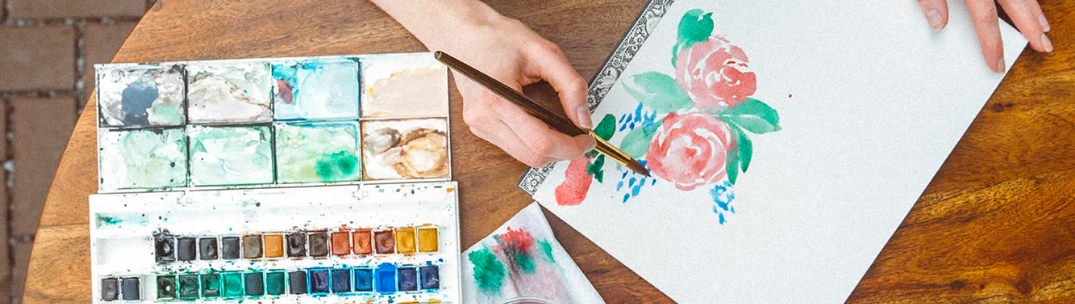
We know that, in general, exercising our creative inner selves enhances quality of life and nurtures overall well-being but studies in art therapy confirm that creative, artistic pursuits can provide older adults especially with multiple benefits, having a positive effect on the mind, soul – even the body.
As well as being highly cathartic, art appreciation helps boost seniors’ happiness and confidence with artistic activities such as painting or colouring keeping their mind focused and giving them a sense of purpose. It is even known to reduce feelings of anxiety, isolation, thanks to the release of dopamine, the ‘feel-good’ chemical – a natural anti-depressant found in the body.
Just as with young children, something as simple as cutting and sticking or painting can help with an elderly person’s dexterity and motor skills. It also helps with hand-eye coordination; following a pattern or creating a design of their own stimulates different parts of the brain. Creative therapy is also an ideal activity for those with dementia and Alzheimer’s as painting or colouring will take them back to happy times spent as a child, or with their own children.
A study in the US concluded that the arts do have a positive effect on health and illness as we age and that artistic activities offer a wide range of benefits, including:
- relaxation
- providing a sense of control
- reducing depression and anxiety
- reducing boredom & helping with socialisation
- encouraging playfulness and a sense of humour
- improving cognition & offering sensory stimulation
- increasing self-esteem & fostering a stronger sense of identity
Here at Birchwood Care Services, we firmly believe in the therapeutic benefits of the creative arts and our team of dedicated carers are happy to support our clients with art sessions as well as taking them to local art events and exhibitions. Our friends at Birchwood House also regularly encourage residents to take part in art & craft sessions.
Other articles you may like
- 5 ways carers can help clients enjoy autumn in Kent
 Autumn has plenty to offer. The changing colours, crisp mornings, seasonal food, and familiar traditions can make it a lovely time of year to get out and about. It also feels like a season to try something different or simply enjoy the things we already love.
 - Does home care mean losing independence?
 Growing older often brings new challenges. For many people, one of the biggest worries is the fear of losing independence.
 - Handling heatwaves: how can we protect our residents in the sun?
 Every July, Samaritans run the ‘Talk to Us’ campaign. And every year, this initiative aims to encourage people to share their feelings. Talking through emotions, no matter how big or small, is so important for our wellbeing. For the people in our care, we know how meaningful this movement is.
 - Talk to Us campaign: how can we support each other?
 Every July, Samaritans run the ‘Talk to Us’ campaign. And every year, this initiative aims to encourage people to share their feelings. Talking through emotions, no matter how big or small, is so important for our wellbeing. For the people in our care, we know how meaningful this movement is.
 - Finding joy in the little things
 Sometimes, it’s the little things that matter most. And these small bursts of happiness have a real impact on our wellbeing. Research has shown that mindfulness and recognising the little things can help to reduce anxiety and stress, and it has become increasingly popular in recent years as a way of supporting mental health. This gratitude can also help create familiarity by introducing daily rituals and offering small moments of connection. If you’re wanting to find more joy in the little things, where should you start? We like to think about it in terms of routines and rituals:
 - Functional health exercises to try at home
 As our loved ones grow older, maintaining their independence and quality of life becomes increasingly important. One of the ways to support this is with functional health and the ability to perform daily tasks safely and effectively.
 - National Pet Month: how can we support your pets?
 Happy Pet Month! This is a time for celebrating our furry friends, especially the joy and companionship they can bring to our lives. It’s also a month for raising awareness of responsible pet ownership, and how we can care for pets whilst caring for ourselves. Sometimes, looking after a pet can be more challenging, and it might be that you need some extra support. So for this month, and every month, we want to highlight the benefits of pets for people who may need care, and how we can help both you and your pet make the most out of each other’s company.
 - Spring cooking: meals for the warmer seasons
 Spring is officially here, and we couldn’t be happier to see the sun coming out! These brighter days often signify fresh starts and new beginnings. For example, many people see spring as a chance to refresh the home and get started with spring cleaning. But what about spring cooking? This is a style of cooking that celebrates the amazing fruits and vegetables coming into season. It’s also a way of adjusting your eating habits, moving away from winter warmers and preparing lighter meals. So, what should you start preparing? Here’s our top tips for eating with the season in mind.
 - Rainy day activities: bringing the fun indoors!
 2026 has got off to quite a rainy start! It’s been reported for being particularly wet and gloomy, and there’s a long history behind the UK’s (rainy) weather. Sometimes, when it rains this hard, we have a ‘lazy day’. We choose to stay inside, have more lie ins, and wrap up under a blanket. This can be a great way to recharge your batteries and get some much-needed rest. But what if it’s always raining? Long stretches of wet weather can cause low mood, reduced motivation, and a sense of isolation, especially when social gatherings start to get cancelled. To combat this, here’s some rainy-day activities designed to lift the mood and help make our days more fun: