
Happy, Healthy New Year!
Let’s face it, many of us probably over-indulged over Christmas and thousands of people across the UK are starting the new year, resolved to get fit, eat healthily and limit their alcohol intake. But did you know that a daily glass of red wine actually prolongs the ageing process? Yes – red wine contains resveratrol (which is also found in peanut butter, blueberries, and dark chocolate) and contains anti-ageing properties. Apparently, the French have fewer instances of cancer and heart disease thanks to the amount of red wine they consume!
Of course, we’re not suggesting that you should embrace alcohol as a way to stay healthy – if you do enjoy a tipple, it’s advisable to keep at least two days per week booze-free to give your liver time to recover. But the start of a new year – and a new decade – is an opportunity for many of us to rethink aspects of our lifestyle and no matter how young or old, small changes can make a lasting difference. Here are some of our top tips for making those small changes:
- Stay active: Daily exercise helps you to stay strong and healthy and lowers your risk of obesity, heart disease, stroke, diabetes, and even cancer. It is linked to better sleep, meaning more energy – and can even improve self-esteem. Government guidelines recommend older adults do 150 minutes of moderate intensity cardio activity per week, as well as strengthening exercises twice a week. If that sounds like a lot, start with less and gradually build up your strength.
- See the doctor: It’s a good idea to have regular routine tests at the doctors to check blood pressure and cholesterol levels. As we age our hearing and eyesight can also be affected, so it’s important to get them checked regularly (eye tests are free for over 60s).
- Ditch the cigarettes! Smoking is linked to a wide range of health issues – heart disease, lung cancer, and bronchitis. Stopping smoking, regardless of your age, will improve your circulation, your lung capacity, your energy levels (and your wallet!)
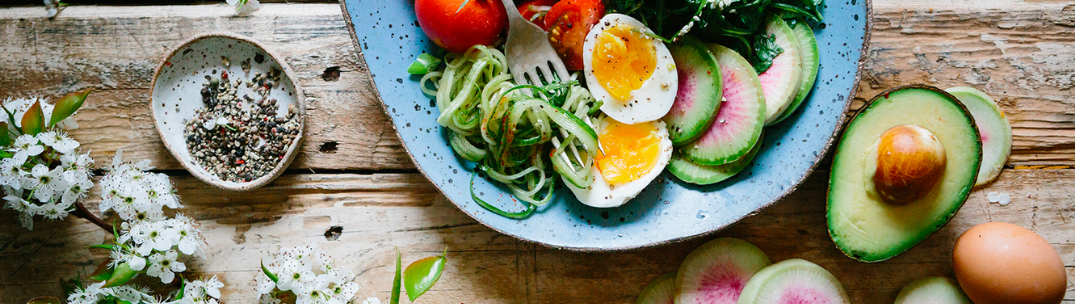
- Eating the right foods is crucial for good health, energy and preventing illness. Eat foods that are low in saturated fat, include plenty of fruit and vegetables, wholegrains, oily fish, lean meat, low-fat dairy – and don’t forget water as dehydration can make you feel sluggish and confused.
- Have regular check-ups, brush your teeth twice a day and floss daily. This will prevent gum disease which can also be linked to diabetes, strokes, heart disease and rheumatoid If you wear dentures or a bridge, keep them clean and ask your dentist to check that they fit properly.
- Ray of sunshine: half of the adult population are thought to suffer from a deficiency of much-needed vitamin D which has been linked to cognitive impairment, bone problems and cardiovascular disease. Short periods of time outside in the sunshine can help boost it, as well as eating certain foods such as eggs and oily fish.
- Get enough Zzzzs: Insomnia is more common among older people and that can leave us feeling tired and grumpy. Try cutting down on daytime naps and going to bed at the same time each night, with a warm milky drink or a herbal tea.
- Stay connected: Socialising can prevent feelings of isolation or anxiety – and is thought to help stall diseases such as Alzheimer’s. It’s never too late to adopt new hobbies and interests and if you’re unable to leave the house regularly, try using video calling such as Skype to stay in touch with friends and family.
In fact, people who follow a healthy lifestyle are thought to live 14 years longer than those who don’t – and even baby steps can make a difference.
Other articles you may like
- 5 ways carers can help clients enjoy autumn in Kent
 Autumn has plenty to offer. The changing colours, crisp mornings, seasonal food, and familiar traditions can make it a lovely time of year to get out and about. It also feels like a season to try something different or simply enjoy the things we already love.
 - Does home care mean losing independence?
 Growing older often brings new challenges. For many people, one of the biggest worries is the fear of losing independence.
 - Handling heatwaves: how can we protect our residents in the sun?
 Every July, Samaritans run the ‘Talk to Us’ campaign. And every year, this initiative aims to encourage people to share their feelings. Talking through emotions, no matter how big or small, is so important for our wellbeing. For the people in our care, we know how meaningful this movement is.
 - Talk to Us campaign: how can we support each other?
 Every July, Samaritans run the ‘Talk to Us’ campaign. And every year, this initiative aims to encourage people to share their feelings. Talking through emotions, no matter how big or small, is so important for our wellbeing. For the people in our care, we know how meaningful this movement is.
 - Finding joy in the little things
 Sometimes, it’s the little things that matter most. And these small bursts of happiness have a real impact on our wellbeing. Research has shown that mindfulness and recognising the little things can help to reduce anxiety and stress, and it has become increasingly popular in recent years as a way of supporting mental health. This gratitude can also help create familiarity by introducing daily rituals and offering small moments of connection. If you’re wanting to find more joy in the little things, where should you start? We like to think about it in terms of routines and rituals:
 - Functional health exercises to try at home
 As our loved ones grow older, maintaining their independence and quality of life becomes increasingly important. One of the ways to support this is with functional health and the ability to perform daily tasks safely and effectively.
 - National Pet Month: how can we support your pets?
 Happy Pet Month! This is a time for celebrating our furry friends, especially the joy and companionship they can bring to our lives. It’s also a month for raising awareness of responsible pet ownership, and how we can care for pets whilst caring for ourselves. Sometimes, looking after a pet can be more challenging, and it might be that you need some extra support. So for this month, and every month, we want to highlight the benefits of pets for people who may need care, and how we can help both you and your pet make the most out of each other’s company.
 - Spring cooking: meals for the warmer seasons
 Spring is officially here, and we couldn’t be happier to see the sun coming out! These brighter days often signify fresh starts and new beginnings. For example, many people see spring as a chance to refresh the home and get started with spring cleaning. But what about spring cooking? This is a style of cooking that celebrates the amazing fruits and vegetables coming into season. It’s also a way of adjusting your eating habits, moving away from winter warmers and preparing lighter meals. So, what should you start preparing? Here’s our top tips for eating with the season in mind.
 - Rainy day activities: bringing the fun indoors!
 2026 has got off to quite a rainy start! It’s been reported for being particularly wet and gloomy, and there’s a long history behind the UK’s (rainy) weather. Sometimes, when it rains this hard, we have a ‘lazy day’. We choose to stay inside, have more lie ins, and wrap up under a blanket. This can be a great way to recharge your batteries and get some much-needed rest. But what if it’s always raining? Long stretches of wet weather can cause low mood, reduced motivation, and a sense of isolation, especially when social gatherings start to get cancelled. To combat this, here’s some rainy-day activities designed to lift the mood and help make our days more fun: